Oxford
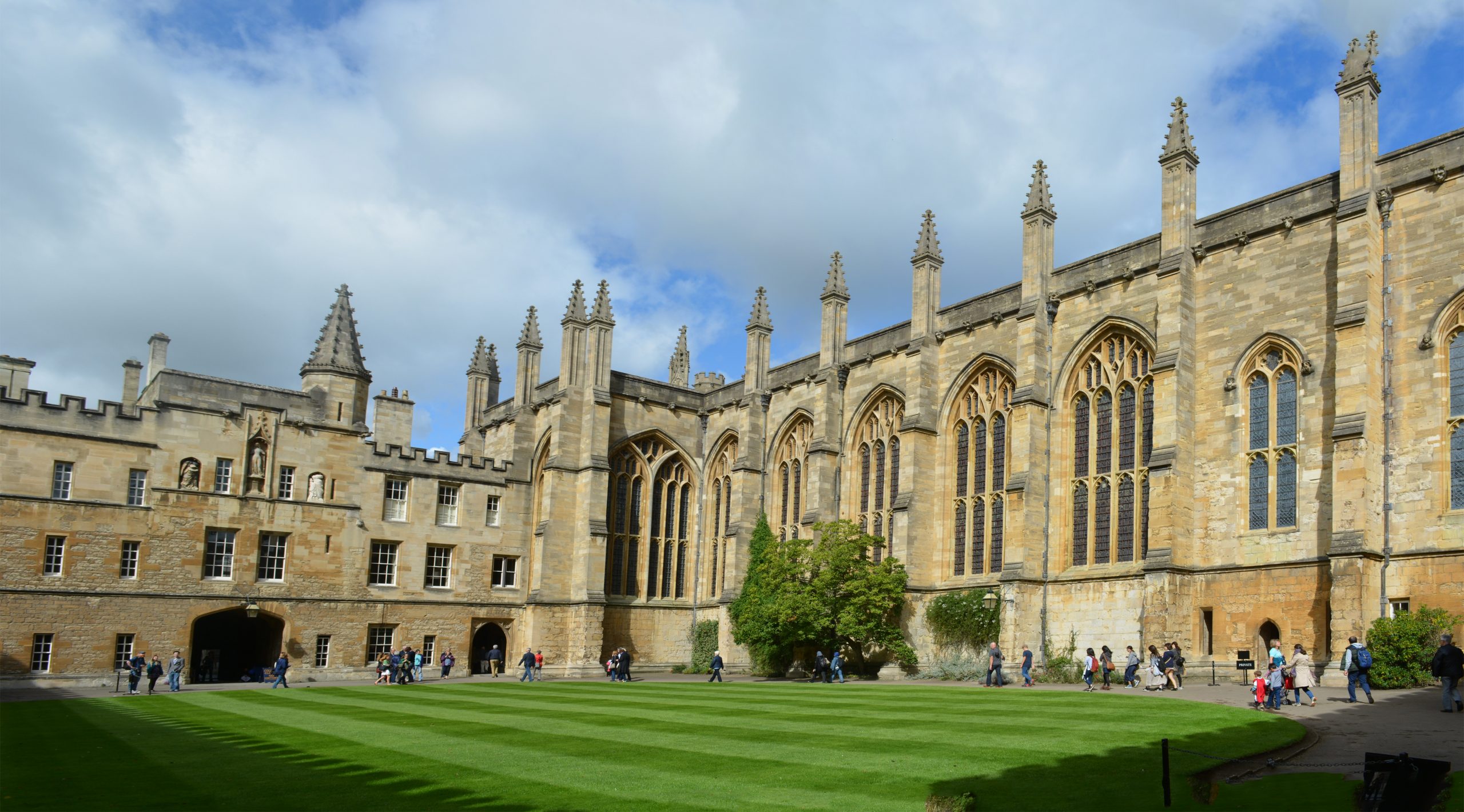
Oxford was one of the high points of my life. Four wonderful years, immersing myself in archaeology, meeting some wonderful people and doing a certain amount of study.
Somehow I had always known I was going to Oxford, rather than Cambridge. I had heard that Greats, officially Litterae Humaniores, or in fact, the study of classics, was the top degree, and Rugby agreed to put me in for it, though they said that if I wanted to try for a scholarship, I should not try for Balliol, Merton or New College. These clearly were the top colleges, and I wanted to go to a top college, so I chose New College, which is not a new college at all. It was founded in 1379 after the Black Death as a new college to provide clerks for the church, and since the Black Death had ravaged Oxford, there was a corner of the city that had been that was totally deserted, so the New College managed to acquire it provided that they maintained the walls in perpetuity, which they still do, so we had the finest stretches of a mediaeval walls in Oxford in our gardens.
When I went up before my National Service for interview, it was a fairly perfunctory matter: clearly Rugby had given me a good report and since I was going to do my National service, it would be two years before they would see me again. However when I arrived in 1957, they had me down to read law. I protested and somewhat reluctantly they transferred me to reading Greats.
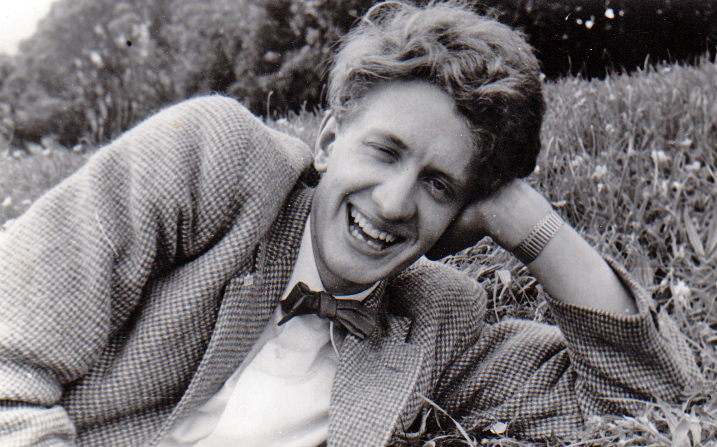
Greats is a four-year course. The first five terms are called Mods, when one studies language and literature and takes the first part of one’s degree. Then in the second seven terms, one studies philosophy and history, the history being ancient history of Greece and Rome, while the philosophy was based on Plato and Aristotle, but brought up to date, and one was expected to study modern philosophy, starting with Locke, Berkeley and Hume and coming down to A J Ayer who was at the college.
At the time, Oxford philosophy was at its height, and was the leader in the philosophy that was studied in Britain and America. The leading philosopher was J L Austin who wrote the famous paper Are cans constitutionally iffy? I was never a great philosopher, though I did learn to ask what is the meaning of meaning, and I learnt a lesson for life that to win any argument you must first define your terms to your benefit. I was lucky in my philosophy tutors in that I had both Anthony Quinton and Bernard Williams for a term.
I also had Richard Sorabje. He was a graduate student not much older than I was, learning philosophy by teaching undergraduates. But he was also a member of the archaeological society, where he sang songs to a guitar.
“There were titles in plenty, some genuine too,
In the House at the start of this reign,
But no baronet had more space in Debrett,
Than Ferdinand Count of Lemaine.”
When I went along to arrange my tutorials, he thought at first it was purely a social visit and did not realise he was meant to teach me, but in the event, I learnt all about Aristotle’s Nichomachean Ethics from him. He later became a very distinguished philosopher becoming Professor at King’s College London and Director of the Institute of Classical Studies in London
Ancient History
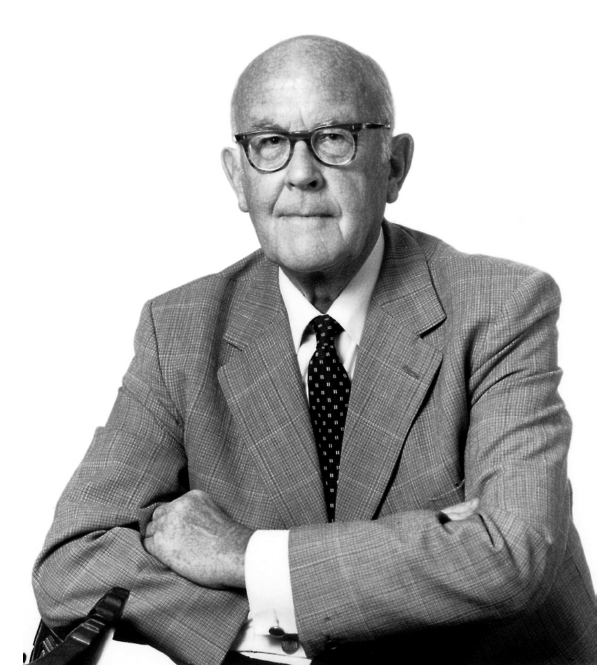
The ancient history part of the course was divided between Greece and Rome and normally one tutor was expected to teach both, but at New College the ancient history teacher, Geoffrey de ste Croix had an arrangement with the Ancient History teacher at Magdalen, Tom Brown Stevens that they do a swap, So my most memorable part was the Greek history when I was tutored by de Ste Croix for all three terms. He was something of a phenomenon, a Jersey man by origin who came quite late to study the Classics but was notorious for being one of the trio of Marxists who tried to rewrite ancient history from a new point of view together with A.H.M Jones, the Professor at Cambridge and John Morris at University College London. I think he was rather good for me in that he did not believe in archaeology and thus forced me to stick closely to the texts, as he did himself. And thus I learnt a lot of what might be called the traditional Greek archaeology from him – Marxism never really came into it. (Though having read the magnum opus (“The Class Struggle in the Ancient Greek World”) that he subsequently wrote, I cannot but help finding it somewhat disappointing: there are a number of perceptive insights to be sure, but also quite a lot of Marxist dogma which reads like Marxist dogma, and the whole does not really add up to a coherent view of the ancient Greek world).
However when it came to Roman history, rather than being tutored by Tom Brown, I was farmed out, though one of the graduate students I was farmed out to was Glen Bowersock, an American from Harvard who turned out to be the most brilliant Ancient historian of my generation at Harvard: he was in fact only a year older than I was. The Roman part was divided into three sections: early, middle and late. Most people did the middle section beginning with the Gracchi and ending with Augustus. But I did the third part beginning with Augustus and ending with the death of Trajan in 117 AD which covered the Roman invasion of Britain, so it was the obvious period to do for anyone interested in archaeology, and certainly it provided me with a very good grounding to the study of Roman Britain.
Accommodation
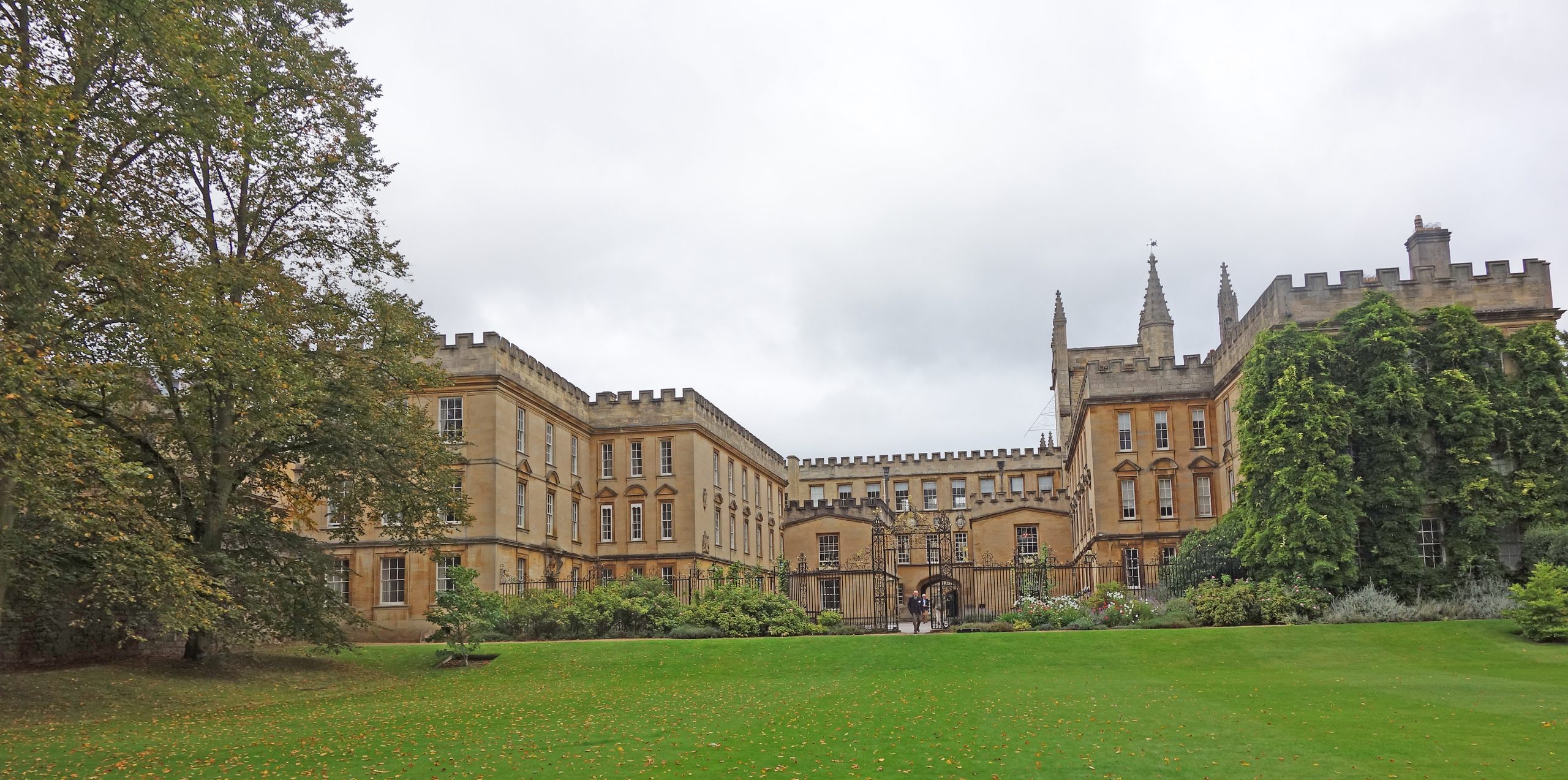

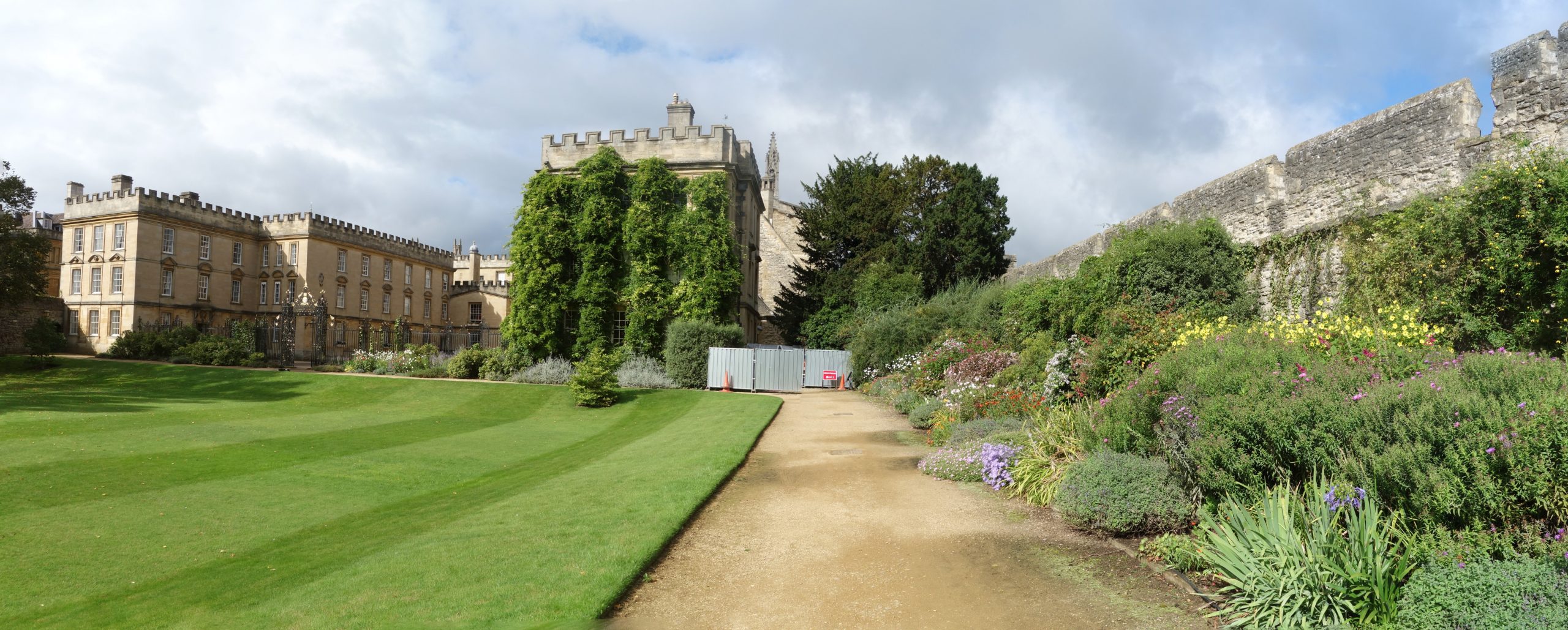
In my four years at New College, I spent the first two years in college and the second two years I had to find digs out of college. When I arrived, I found I had prime accommodation in the garden quad looking out over the magnificent gardens. Indeed there was a regular routine that visitors would enter left, wander down through the quad, see the wonderful 18th century gates, back down towards my rooms, and take a photo from just outside my room to the gates and the garden beyond them.
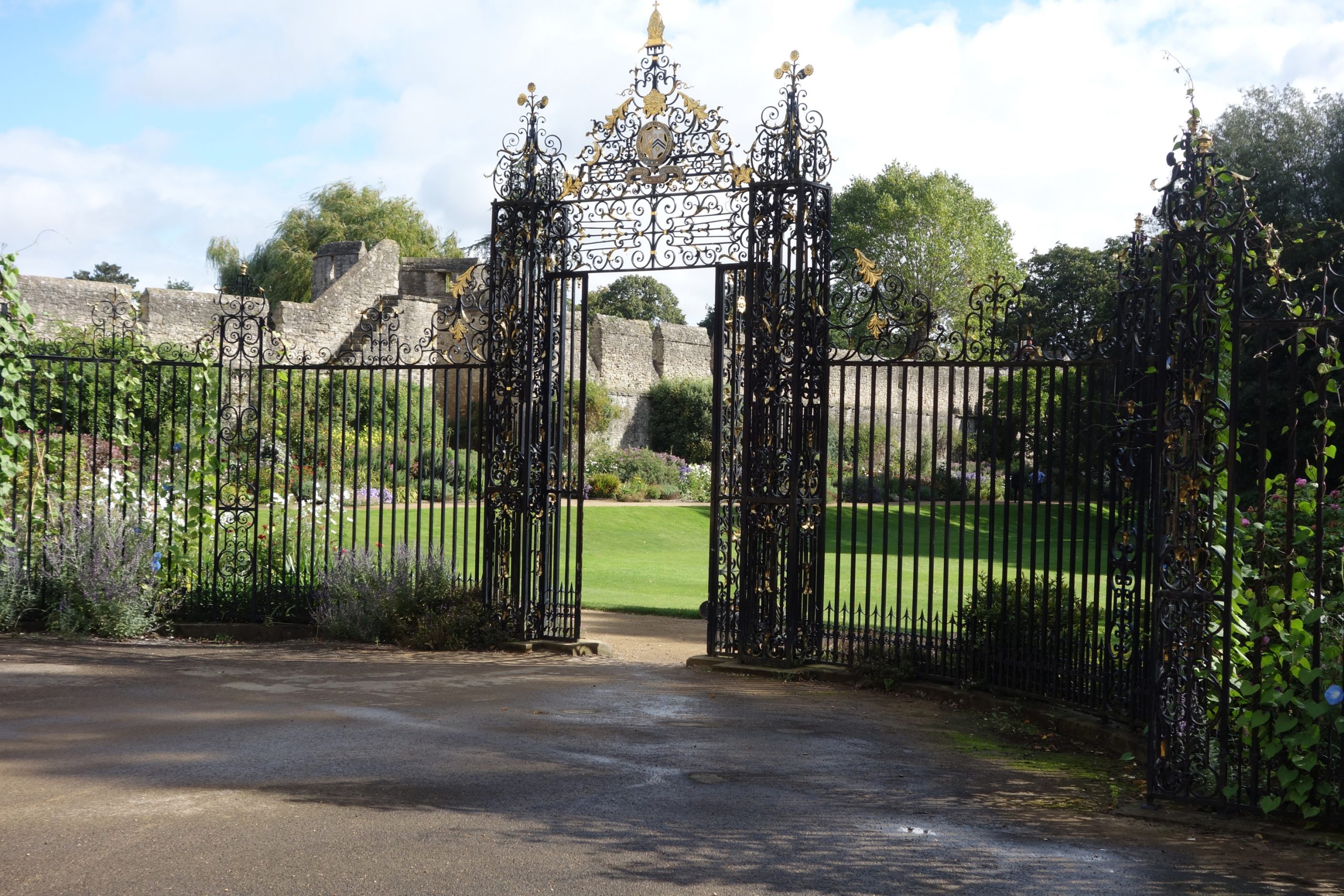
However for the first year I had to share these rooms. When I arrived I found I was sharing with Robin Baxter — who had been on the Russian course with me and to whom I had said goodbye only a month before. We both knew we were going up to New College to read Greats, but we did not expect to be sharing! We got on well enough, without exactly being great friends. The main problem was that he was a smoker. Perhaps I was not so put off by smoking as I am today, but I endured it. We each had a little bedroom at the back leading off from the main room. But he did teach me how to tie a bow tie, something which has remained with me ever since. I don’t quite know why I am a bow tie wearer but looking back through photos during my life there is no doubt that one of my distinguishing characteristics has been that I wear bow ties. I like to think that it makes me slightly Bohemian.
Robin’s great pastime was that he was a jazz pianist, indeed he had been a jazz pianist during our time in the army and I even remember one revue they put on at Bodmin with the song
“You’ve all done gun drill for one year or more,
Maybe not satisfied but certainly sore,
You think you’re trained now but till the next war
Why don’t you get out of the cloth?”
To the tune The Lady is a Tramp, by Rogers & Hart. He became President of the OU Jazz club, the same term I was President of the OU Archaeological Society. And when on Saturday afternoons we went to practice our respective disciplines we said to each other “Dig well!” When he finished at Oxford he too became a Chartered Accountant. I met up with him subsequently at a Gaudy and found he had spent his life at one of the big accountancy firms, but never quite becoming a partner; and that his talents on the piano were now mainly devoted to playing the organ in church on Sundays.
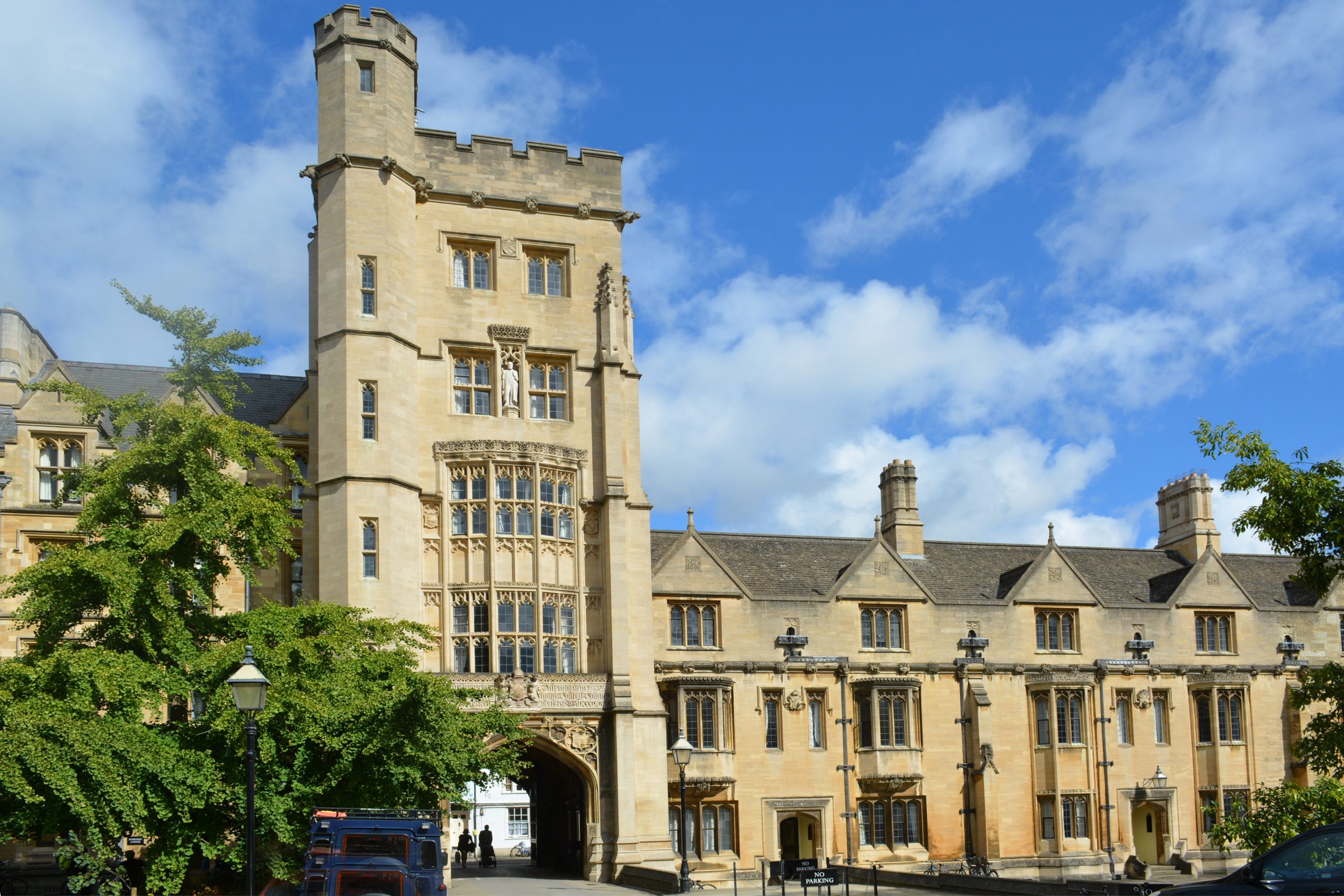
For my second year I was able to make my own choice and I chose to go into the Holywell buildings. These were the new buildings built in high Victorian style in 1875 when the College managed to break through the walls and erect the new grand buildings alongside Holywell Street, which ran outside the former ditch which fronted the medieval walls. They are right beside what is today the modern entrance to the College. They were very splendid rooms indeed and I was able to invite some of the diggers around on Saturday afternoons when we all cycled back from our digs in the gravel pits in north Oxford to have tea and crumpets.
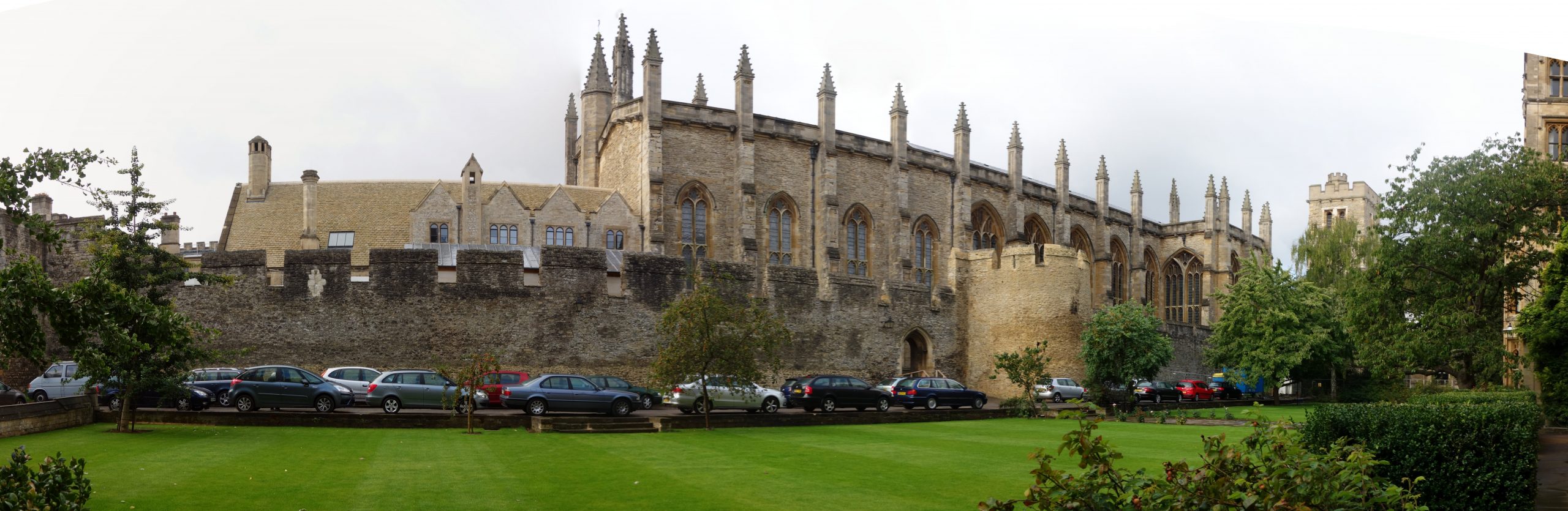
But in my last two years I had to find digs for myself which was something of an ordeal as it is something I do not do naturally, and for the first term of my third year I found digs in north Oxford in a terraced house, a 20 minute cycle ride from central Oxford. But at the end of the term the owners of the house politely asked me to leave. The problem was that they went to bed early by 10pm and I was in the habit of coming back rather later than that, and woke them up. So I was in despair.
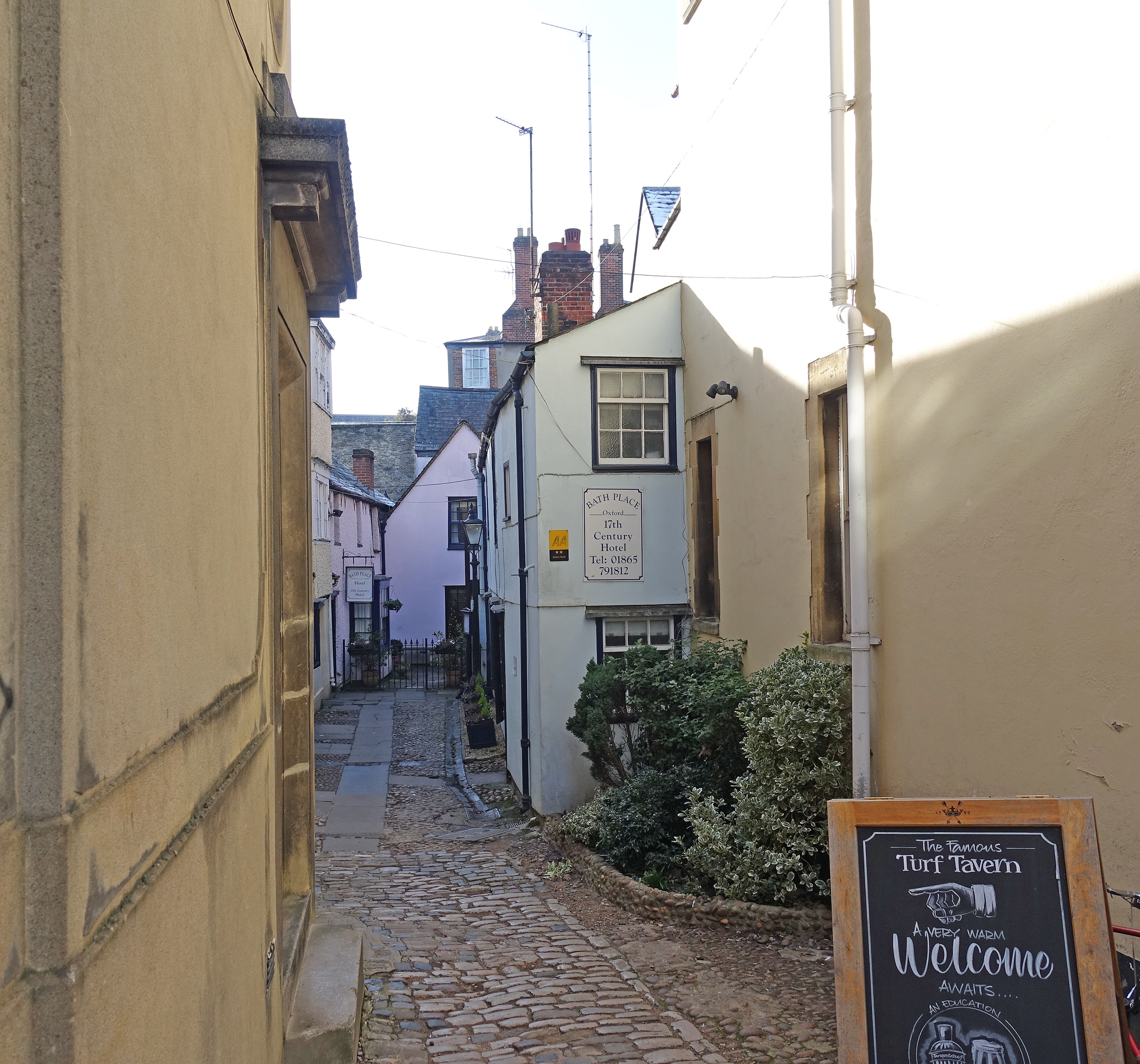
However disaster sometimes turns to triumph, and when I was in the College lamenting my problems, another ex-army friend in the college, Tony Chown, said that he had digs just nearby where there was a room spare. I went around with him and certainly they were marvellous digs, right adjacent to the College, down a little alleyway opening off Holywell Street, down Bath Place to the Turf Tavern, right up against the city wall. The rooms I had overlooked the Turf Tavern but sadly I never made use of the Turf Tavern as in those days I was virtually a teetotaller. My parents only drank rarely and I had come to believe that alcohol was not for me, which was probably a bit of a pity. But it was wonderful having rooms right adjacent to the college and for the rest of my time I was well situated. (I might add that in the army Tony Chown was known as a hairdresser. I don’t know how, but he acquired a talent for cutting people’s hair much better than the army barber, and in return we polished his boots for him).
Friends
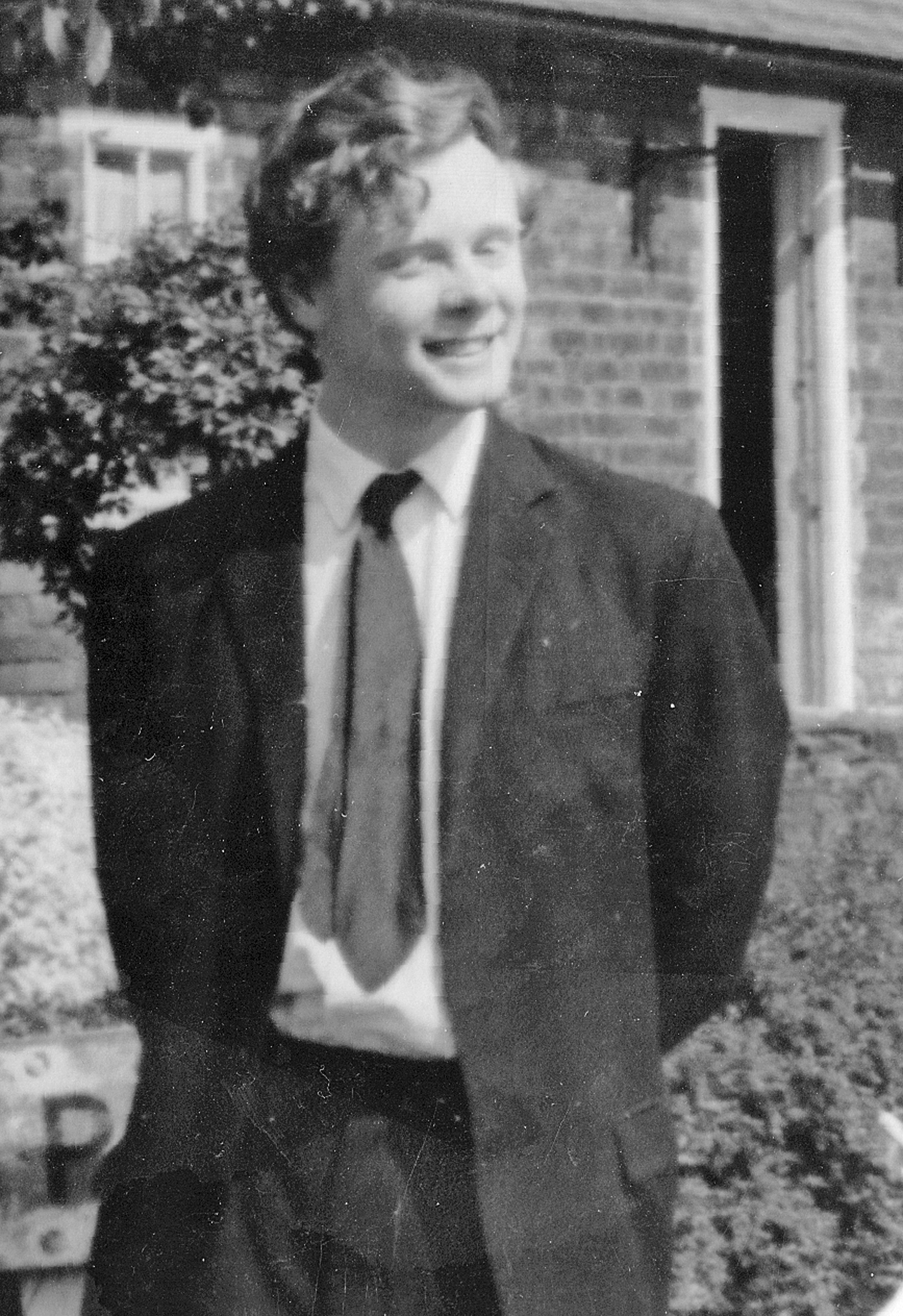
I had two very good friends in Oxford from Rugby days. Nick Allen was at New College: he had been one of the top classicists of the year at Rugby and had a scholarship to New College. But he then decided that Classics was not a sensible thing to study, so he took up medicine and became a GP. However having finally qualified and begun to practice, he discovered that he did not really like the close proximity of human flesh and that the life of a GP was not for him. The two things he liked doing was climbing mountains and learning languages, so he decided that what he wanted to do was to became an anthropologist, so he went off to Nepal and learnt the language, and then came back to Oxford where he became Reader in the Social Anthropology of South East Asia and had great fun comparing the Sanskrit languages with Homer, being equally proficient in both languages.
His father Derek Allan was a distinguished archaeologist, studying Celtic coins. Derek had been at the British Museum before the War, but then during the War became a Civil Servant at the Ministry of Aircraft Production and remained in the Civil Service after the war though continuing to study Celtic coins in his spare time and became the foremost authority on Celtic coins on which he wrote a number of papers and several books. When he eventually retired at the age 65 he was snapped up by the British Academy to be their Secretary, but sadly died a couple of years later just when he was beginning to get the Academy into order. I continued to remain in contact with Nick, corresponding at Christmas. He married, had a couple of children but he died early in 2020.
He had digs in New College Lane in a cottage distinguished as having been the home of Edmund Halley, the discoverer of Halley’s Comet who was also the Savilian Professor of Geometry at Oxford.
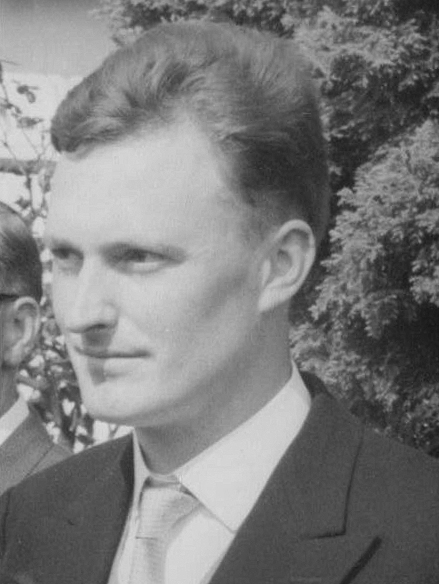
My other great friend was David Fairbairn another brilliant scholar who went to Balliol, and the discussions with Nick and David in David’s room at Balliol were among the highlights of my time at Oxford. Later I saw a lot more of David in my time in London studying accountancy when he was studying to be a solicitor. Sadly he died soon after Wendy and I got married.
I also had a lot of friends among the archaeologists. It turned out that I had gone to the right college, for most of the leading members of the Archaeology Society were at New College, in fact three us became President of the society in succession.
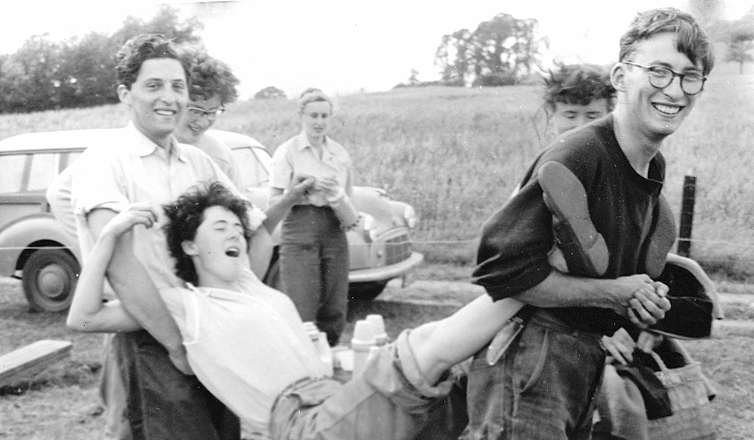
The most distinguished was Nicolas Hawkes of distinguished parentage. His father was Christopher Hawkes who was the Professor of Prehistoric Archaeology at Oxford who I also came to know quite well. His mother was equally distinguished as she was Jacquetta Hawkes, the daughter of Sir Frederick Gowland Hopkins, a distinguished biochemist, who won a Nobel Prize for discovering vitamins. She wrote one of what was for me one of the great books of my youth called “A Land” which was written in 1940. It was a sort of love story with the land of Britain, combing geology with romance. I read it when I was at Rugby and was greatly impressed.
Sadly however Christopher and Jacquetta who had been the great romantic lovers of the archaeological world divorced and Jacquetta married J. B. Priestly and wrote lots of pioneering feminist books. Nick was one of the foremost members of the Archaeological Society: he duly got a first in Greats, but said that he was not going to go into archaeology, particularly when both parents had got firsts: his father in Greats his mother in Archaeology. He went off and studied teaching English to immigrant children, with the British Council. His wife died tragically young, leaving him to bring up his large family. He latterly lives in Yorkshire.
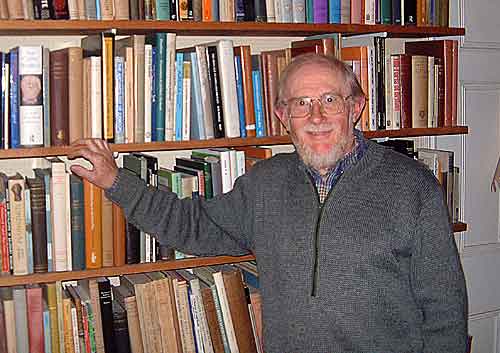
My other great friend was Jeffrey May. Jeffery has been a friend throughout my life. He went on to do a course at the Institute of Archaeology in London and did major excavations on the Iron Age site of Dragonby in Lincolnshire. He then became Lecturer in archaeology at Nottingham University, becoming Head of the Department and a much loved tutor. Indeed he tutored Matt Symonds who now edits World Archaeology. When Jeffrey retired he became a visiting editor of Current Archaeology. This was the time when we were launching World Archaeology and so I had several co-editors to edit Current Archaeology of which he was the most distinguished. I visited him a number of times at his home in Nottingham with his wife Brenda who was very musical – they had two musical daughters and it was a great sadness that Jeffery died from lung cancer even though he had never been a smoker, which seems most unfair. I miss him. He is just the person I would like to have to advise me on CA.
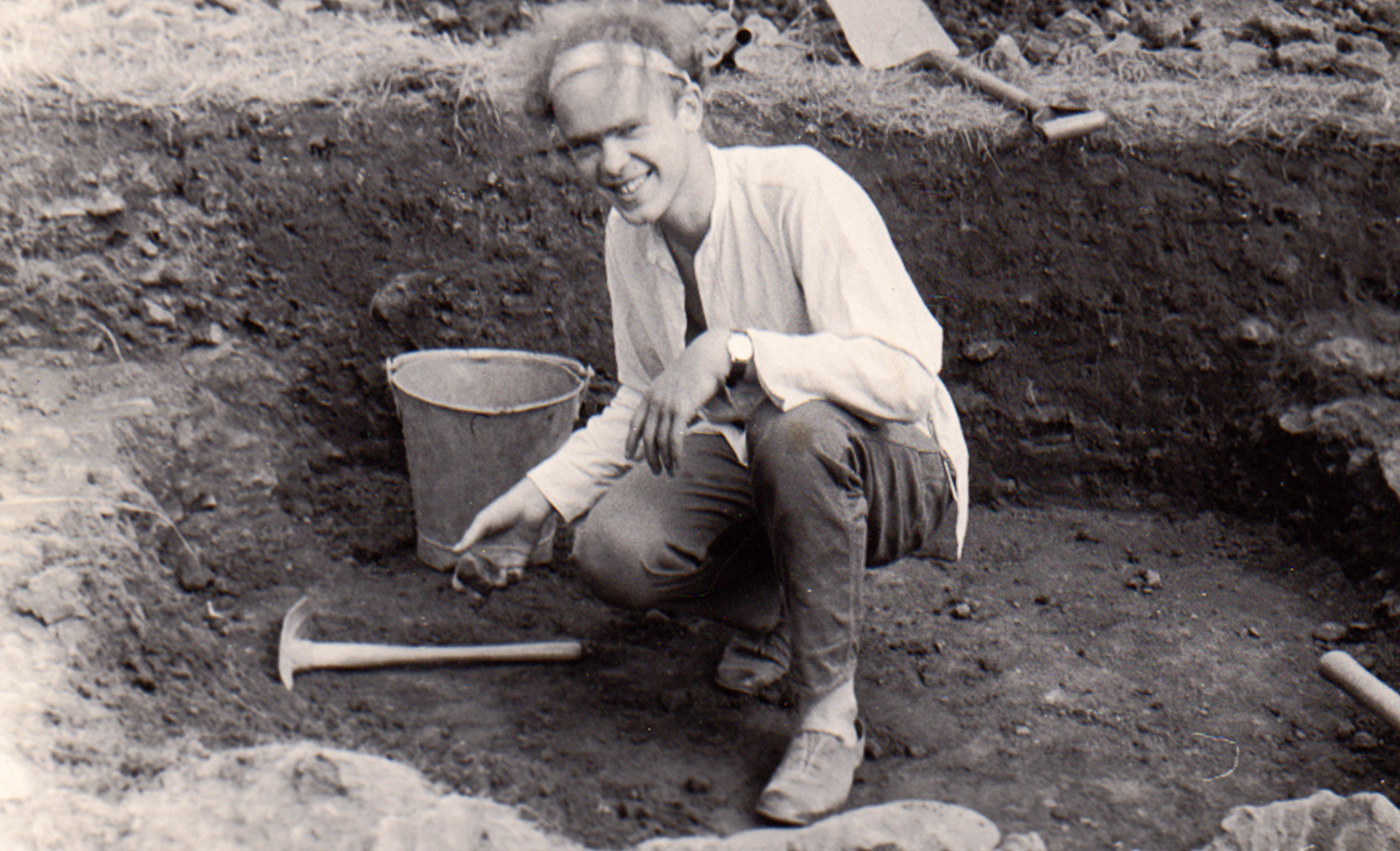
Another New College archaeologist was Nicholas Cooper who preferred buildings to digging and eventually joined the Royal Commission of Royal Monuments and did distinguished work on the history of Cheltenham.
OUAS
The centre of my activities at Oxford was the OUAS, the Oxford University Archaeological society, a venerable institution over 100 years old. Most of the distinguished Oxford archaeologists had been ex-presidents, including notably Kathleen Kenyon, who was very well qualified as her father was Keeper of the British Museum where she was brought up. The lectures were held every Monday in the Ashmolean Museum at 8.15pm so there was just time to have dinner in College at 7.15pm, finish early and run to the Ashmolean. Slides were used, though some speakers still used glass slides, and there was an elderly glass slide projector which got very hot and burnt the projectionist.

I well remember the first lecture which was given by Grace Simpson on Samian ware. She was a somewhat plump lady who was the daughter of F.G. Simpson, the great excavator on Hadrian’s Wall. She had just finished her doctoral thesis on Samian ware and she gave us the works. It was entirely incomprehensible, except to those who knew all the details of the Dragendorff typology. I didn’t, and was entirely lost and thought I would never come to an OUAS lecture again; but luckily I persevered and I thoroughly enjoyed the rest of the lectures.
There was no undergraduate degree in Archaeology in Oxford at the time, you had to go to Cambridge or Edinburgh to read archaeology. However we had the top archaeology professors: for prehistory there was Christopher Hawkes, the Iron Age supremo, while for the archaeology of the Roman Empire there was Ian Richmond, the supremo on Roman Britain. Ian Richmond was lovely, everyone knew him as Uncle Ian. They both gave lectures and were very grateful if anyone came to them. I went to them all and they both soon recognised me and Ian Richmond always spoke very kindly if he passed me in the corridor. It was very sad that he died soon after I left while he was still in his fifties, but I acquired a thorough grounding from both of them.
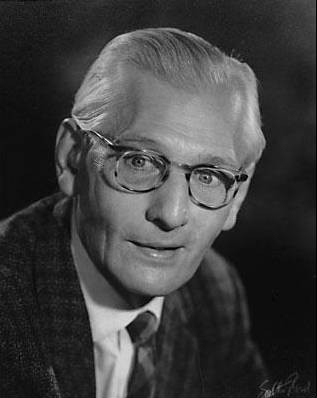
I always said that the trouble with Christopher Hawkes was that he was so far advanced that when subsequently someone told me their latest ideas I always thought that that surely was orthodoxy, because that was what Christopher had taught. This became a problem with CA, when I found that the standard way of writing an article was to start off by saying this is the orthodoxy but look we have got something new. But the trouble was that what I thought was orthodoxy was what Christopher had taught and which the world was now catching up with: I did not know what ‘orthodoxy’ was.
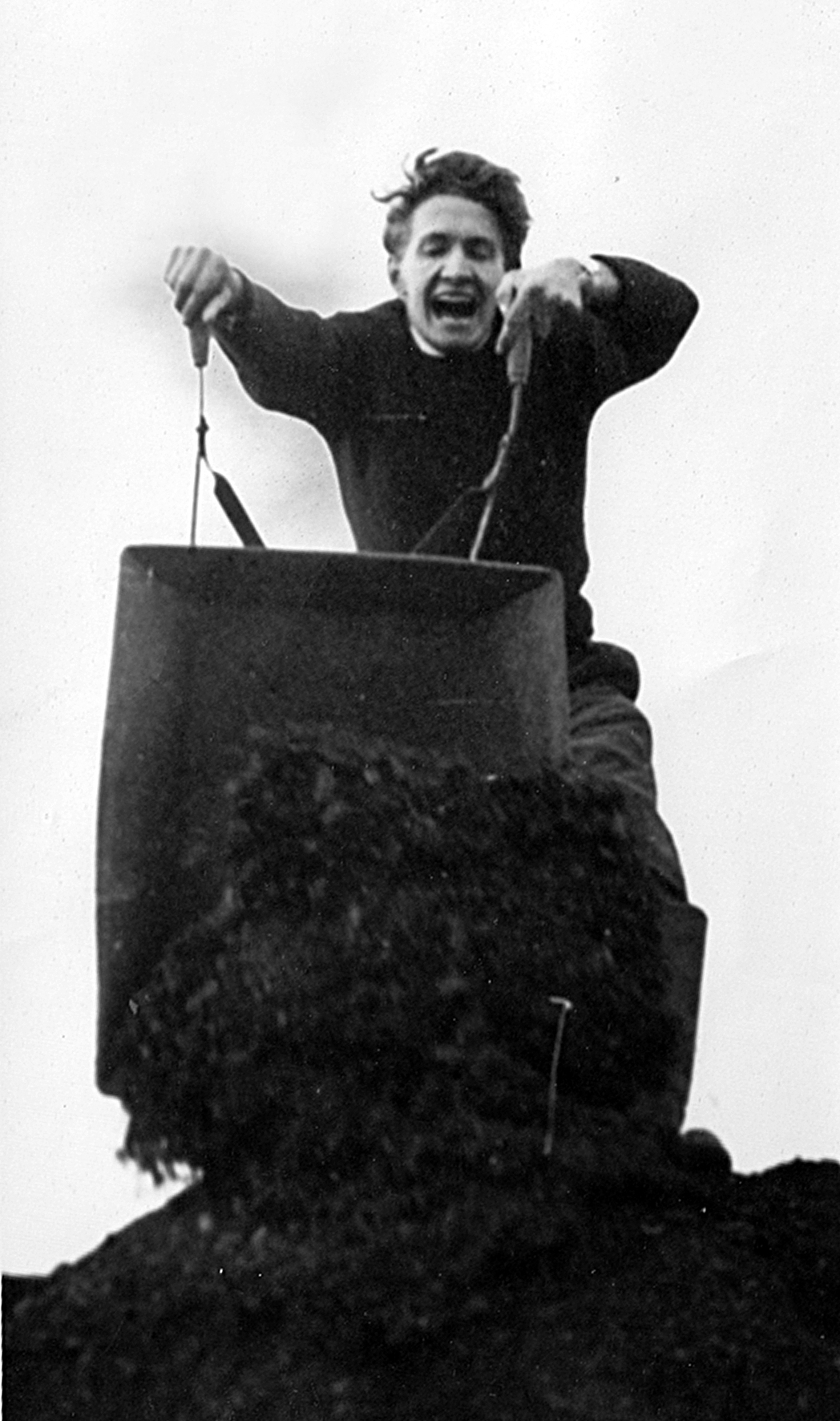
The OUAS was a digging society. Every term we had a dig: normally in the gravel pits to the north of Oxford, a turning off from the northern bypass. We would cycle out there twice a week, every Saturday and often on a weekday too, often with a spade across our handle bars . There was also the Ashmolean van which we were allowed to borrow, and if you were over 21 you could become a nominated driver. As I was over 21 I became a nominated driver and often drove the van out full of my fellow undergraduates. Joanna Close Brooks was also a nominated driver, but she had a crash, luckily not serious, nobody hurt, but it shook her up. I subsequently discovered that she is the only person I know with whom I share a birthday, which I discovered when she invited me to her 21st birthday party. We were supervised, if that is the right term by Humphrey Case who was the Junior Keeper at the Ashmolean Museum, and I think that behind the scenes he arranged the digs with the quarries.
I was the Excavation Secretary in my second term which was too early and I was not really a great success. From the personnel point of view it went well, – everyone enjoyed it and the numbers kept up throughout the excavation. But I really hadn’t a clue about record keeping. We were digging a ring ditch, presumably Bronze Age, but we found nothing so I found nothing to record. I wish in retrospect I had gone on one of Grahame Webster’s digs, for he was a great instructor in that way and would have taught me about record keeping. But eventually the task of writing up the dig (and others) was taken over by Nicholas Bayne, and I had to confess that I had nothing to hand over. But it taught me a very good lesson that actually I am no great digger: I can write about archaeology and put together pots and post holes but I am not very good at actually excavating them, though I spent twenty years trying.
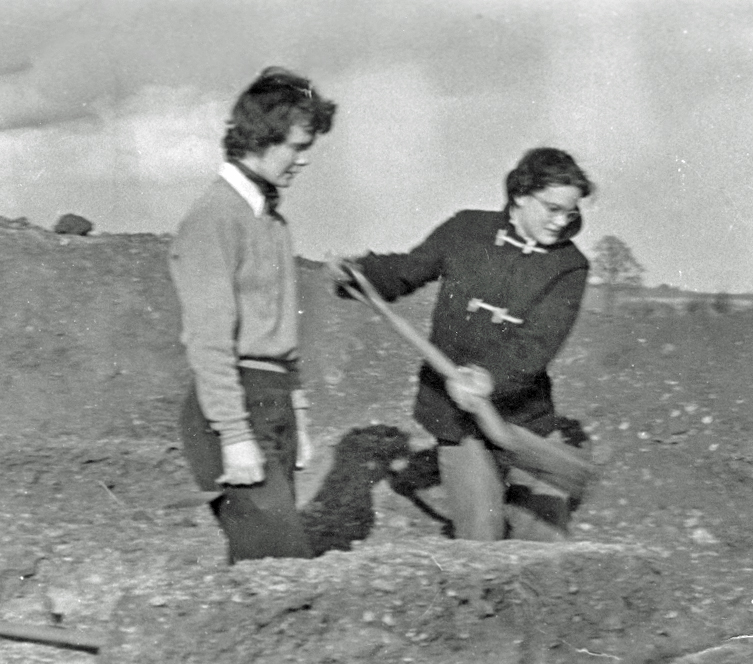
One of the great things about the OUAS were the girls. At the time, men outnumbered women at Oxford by seven to one, but at the OUAS they were virtually equal thanks to an influx of outsiders, mostly from the numerous tutorial Institutions in North Oxford, where girls were being tutored to get into university. There were indeed a number of girls from the University, mostly from LMH. The prettiest was Diana Wild, who went on to marry Nicholas Bayne. But then there was Edna Kilgour, and Joanna Close Brooks who went on to become a keeper at the National Museum of Scotland in Edinburgh, and there was Julia Woods at St Hughes.
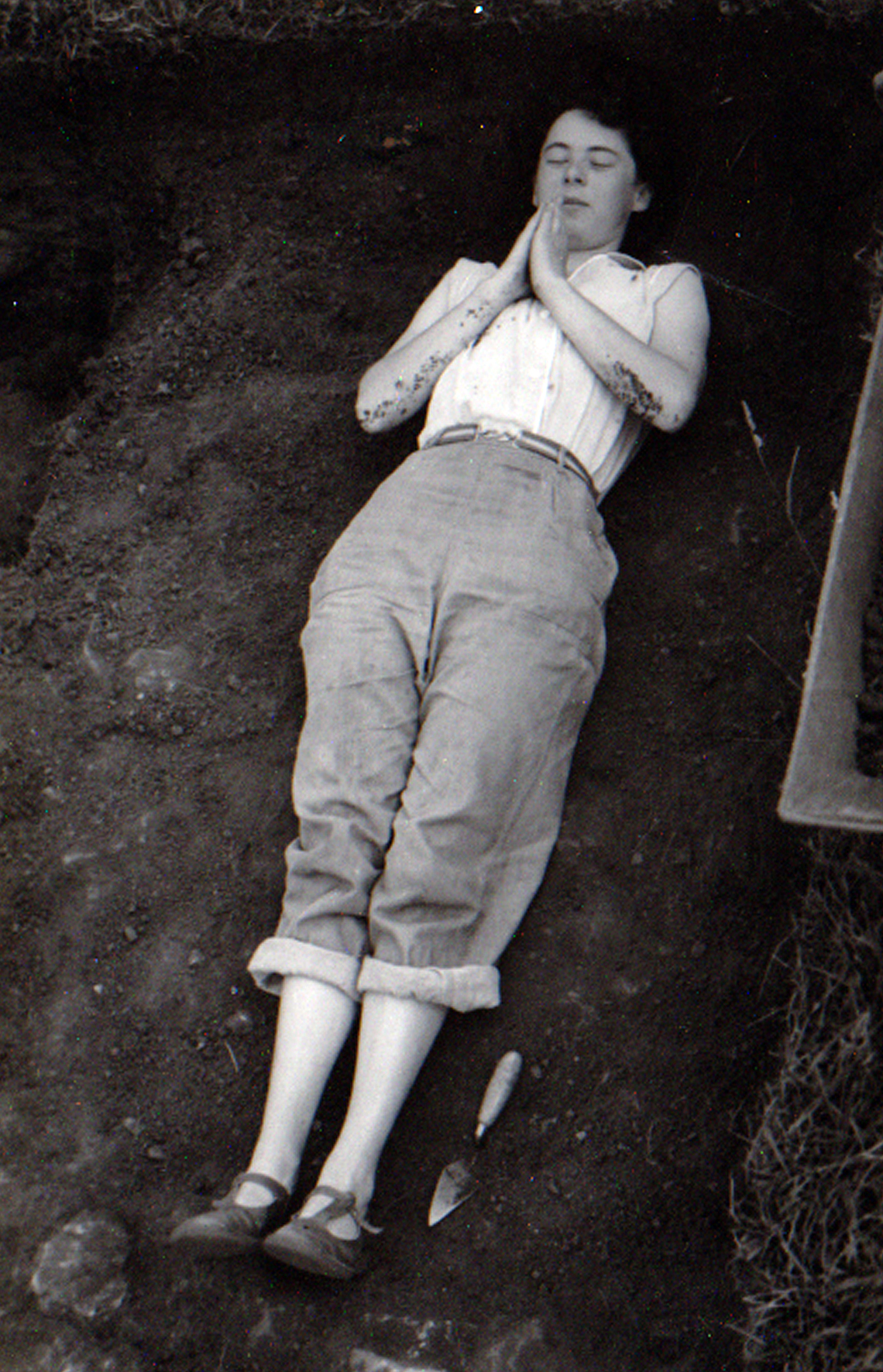
Then there were the outsiders: there was Fiona Greig, who was undoubtedly the most attractive; everyone buzzed round her but she was an ice maiden. Eventually she went to do a degree in archaeology at Edinburgh, but then married Derek Roe from Cambridge who did Palaeolithic stone axes and became Professor at Oxford, though sadly they divorced later. We kept in touch, indeed I recently went to her funeral.
And most romantic of all was Susie Storm Turner who was a flower girl who worked at a flower shop in the market, but was a very keen digger.

Another girl I knew was Julia Wood. She was a somewhat reticent girl, and I was the most reticent of the boys and so we got thrown together in this way. She was reading history at St Hugh’s, and was one of the members of our Greek trip, and subsequently we saw quite a lot of each other in our last year. We were not exactly girlfriend/boyfriend but we both wanted to make friends with the opposite sex, so we had some good times together. Sadly soon after she left Oxford she died, drowning in a boating accident while visiting her sister in Australia. Her father was a distinguished archaeologist whose book The Collins Guide to Field Archaeology is still available on Amazon. I got to know him quite well when he became President of the Surrey Archaeology Society.

But the most distinguished member of the Society was Nicholas Bayne. He was an old Etonian who went up to House, that is Christ Church, the poshest of the Oxford colleges socially, where he got a Double First in Mods and Greats. He then did a rapid Doctorate on Mycenaean pottery in the Aegean which involved going round all the Aegean Islands, spending a week on each of them because the boat only went once a week, finding out if they had any prehistoric sites, and looking at the pottery. He eventually made the crucial discovery that the Mycenaean pottery at Troy was not made in Mycenae and exported to Troy, but was in fact made locally at Troy in the Mycenaean style. When I went out to Troy when launching CWA, the local German excavators knew all about Nicholas Bayne and had recently published his Doctoral Thesis. However having finished his Doctorate he went out into the big wide world and joined the Foreign Office where he climbed the ladder and ended up as High Commissioner in Canada. I was told he might have got Washington or Paris had it not been for a family tragedy when his eldest son broke his neck in a swimming accident and became a tetraplegic, despite which he got a First at Cambridge.
The highlight of the excavations season was when we had our summer dig for a fortnight, when for two years we went digging at Madmaston Hillfort in North Oxfordshire where the farmer let us camp in his barns and we had a wonderful time. It was directed by Peter Fowler who later became Head of the Royal Commission and Professor at Newcastle. He and I became enemies in a friendly sort of way, indeed I got a number of articles from him for CA. We recently met up again at the Antiquaries and realised that we were the only two members of our generation present, so we had a long session of reminisces. In my last year we then moved on and dug another hill fort at Rainsborough, but that was not quite the same.
The Long Vacs
One of the highlights of Oxford should be the long vacs, when one has three months free, when one is meant to go out and explore the world – it’s a major part of your education. I think I did not do too badly. In my first, or was it my second long vac I went out to dig at Herculaneum. This was not an archaeological dig but it was supposed to be a working holiday. I used to peruse the listings of the German Student Travel Service offering work in the holidays, and there was an opportunity to dig as a labourer at Herculaneum. This sounded absolutely splendid and I signed up immediately to become a labourer.
I was accepted and went out by train to Herculaneum. There we were accommodated in the local school. The main road out of Herculaneum runs from the excavations to the railway station and the school was halfway along. I can remember that in the evenings the road was occupied by stalls and one of them was cooking a sort of circular pastry. I had one and it tasted delicious. “What do you call this”, I said. “ We call it a pizza” they replied. I thought it was rather good and that they should introduce the pizza to England. For once, my culinary taste proved accurate.
The digging proved to be somewhat basic. I had proudly brought out my trowel with me, but everyone laughed at that and I was given a long handled spade, and I spent my fortnight shovelling soil from the floor of a Roman house into a wheelbarrow. A lot of bits of wall plaster were shoveled in too and I managed to retrieve one piece and brought it home with me. It was going on the rubbish heap, so why not?
Our hours of work were from 6am – midday; it was too hot to dig after midday, but our afternoons were free so every day after a hasty lunch I walked uphill to the railway station to the Circumvesuviana, the narrow 3 ft gauge railway that runs from Naples to Sorrento, calling in at Herculaneum and Pompeii. Thus every afternoon I explored Pompeii. It was wonderful, for it was almost all open. One could just wander round and go into any of the houses. As I remember, few if any were locked and I explored the whole of Pompeii and took lots of photos which have now all faded.
On the way home I tried hitch hiking. There were two girls among the diggers who also wanted to hitch hike: one was quite posh and quite nice, the other was not so posh but very nice. I remember we managed to get to Rome where we were put up in a nunnery — I think one of the girls knew about it as a refuge for simple girls and they were simple but welcoming. We then got halfway up Italy but hitch hiking was difficult, as none wanted to pick up three hitchhikers and so we decided to break up and that I would go home by train. Subsequently several years later I met up with the not so posh girl who by that time was married, while I was in the middle of my escapades in London. We reminisced about old times, and she said that both of them were slightly disappointed that I never made a pass at them; but then I was a slow starter and put all girls on a pedestal until I came down to earth in London. Mind you, she was one of those girls who are not pretty, but sexy, and I wouldn’t have minded having a fling with her.
The trip to Greece
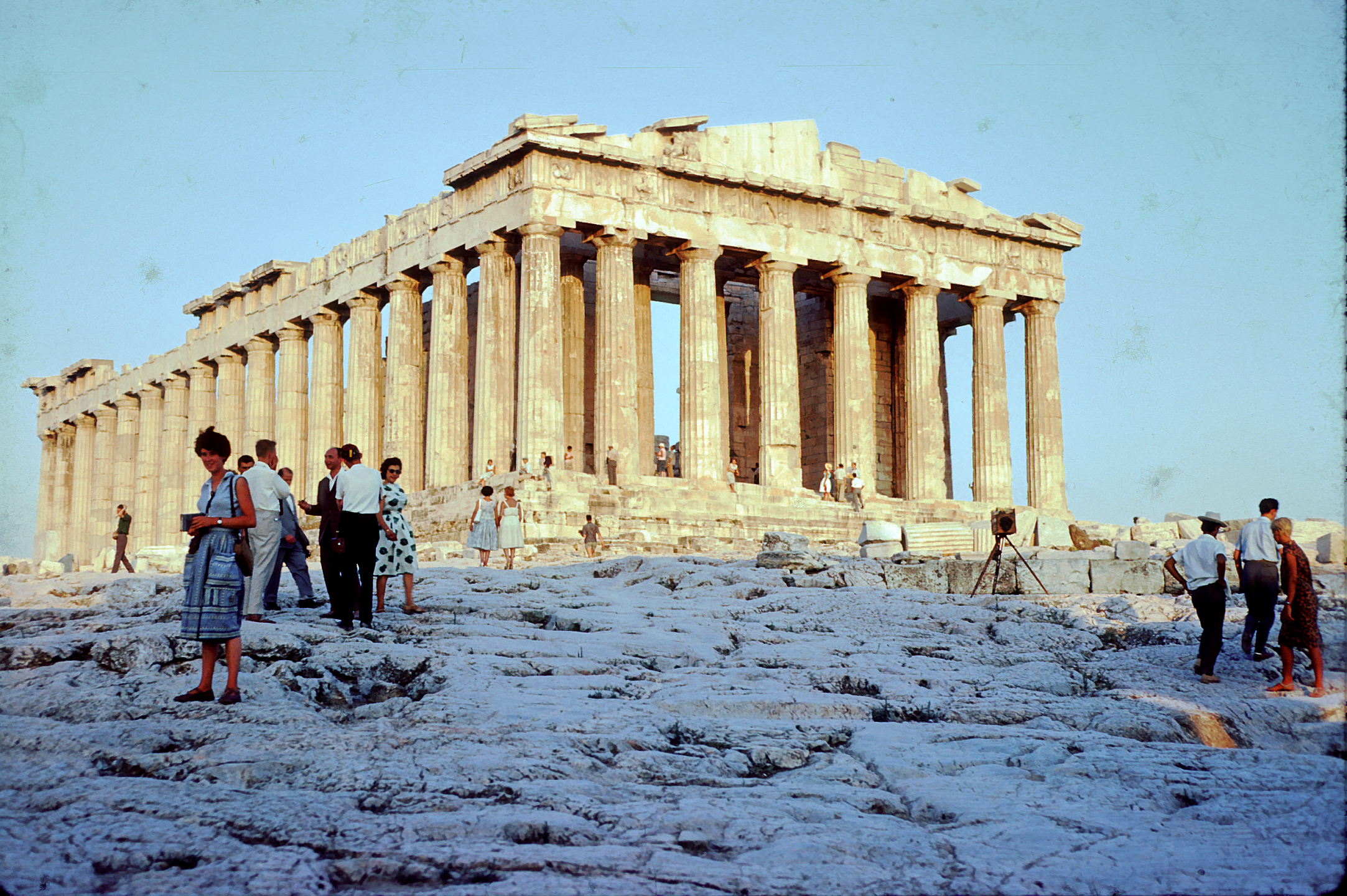
My main adventure was the trip we made to Greece. The year before, half a dozen of the members of the Archaeology Society had organised a trip to Greece, and I and some of the others decided we would do the same thing the next year. There were eight of us in all, and we jointly bought a van and drove to Greece. I think my parents actually bought the van but then we shared the cost between the others. I was one of the main drivers, going round and picking them up at their homes before setting off.
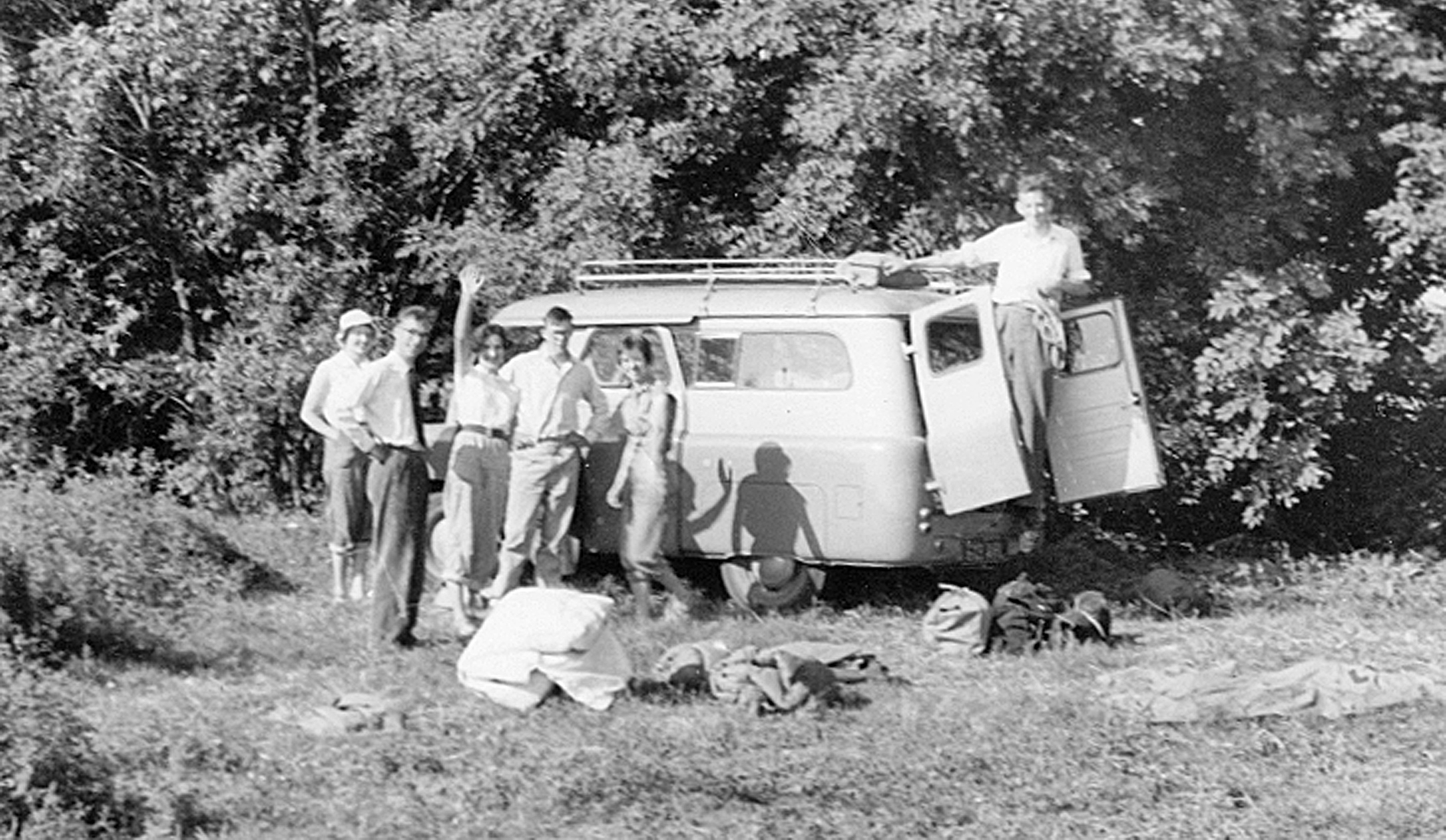
We were a well balanced crew, four boys, four girls. Besides myself there was Mike Tite who was a scientist who tended to be somewhat restricted in activities by having to spend his afternoons in the laboratory. However his research paid off and he became Head of the Scientific Laboratory at the British Museum where he pioneered the use of thermoluminescence dating and made himself very unpopular by proving that many of the finest sculptures in the Chinese department were in fact modern. He then went on to Oxford to become Professor of Archaeological Science, so he was a great success.
Then there was Roger Moorey. He was always rather quiet and retiring. He read history but was very bright and got a First. He then went into the Ashmolean where he became very distinguished indeed, becoming Keeper of Antiquities specializing in the Luristan Bronzes found in Persia and Armenia. He even briefly became Director, though on a temporary basis as he was not really showman enough to be Director. But he was widely revered as I discovered when I went to his funeral. Apparently he always had lunch in the Lamb and Flag pub opposite, where he sat in the same corner, drank the same half a pint of beer, and ate the same sandwich, and held court. Anyone could go up and talk to him, and many doctoral students who were stuck on their thesis and had unsympathetic supervisors would go and talk over their problems with him and he would sort them out. And many of today’s stars pay tribute to Roger as having helped them in their research. He was Secretary of the Society when I was President and I was very grateful for all his help. He was much more efficient than I was.
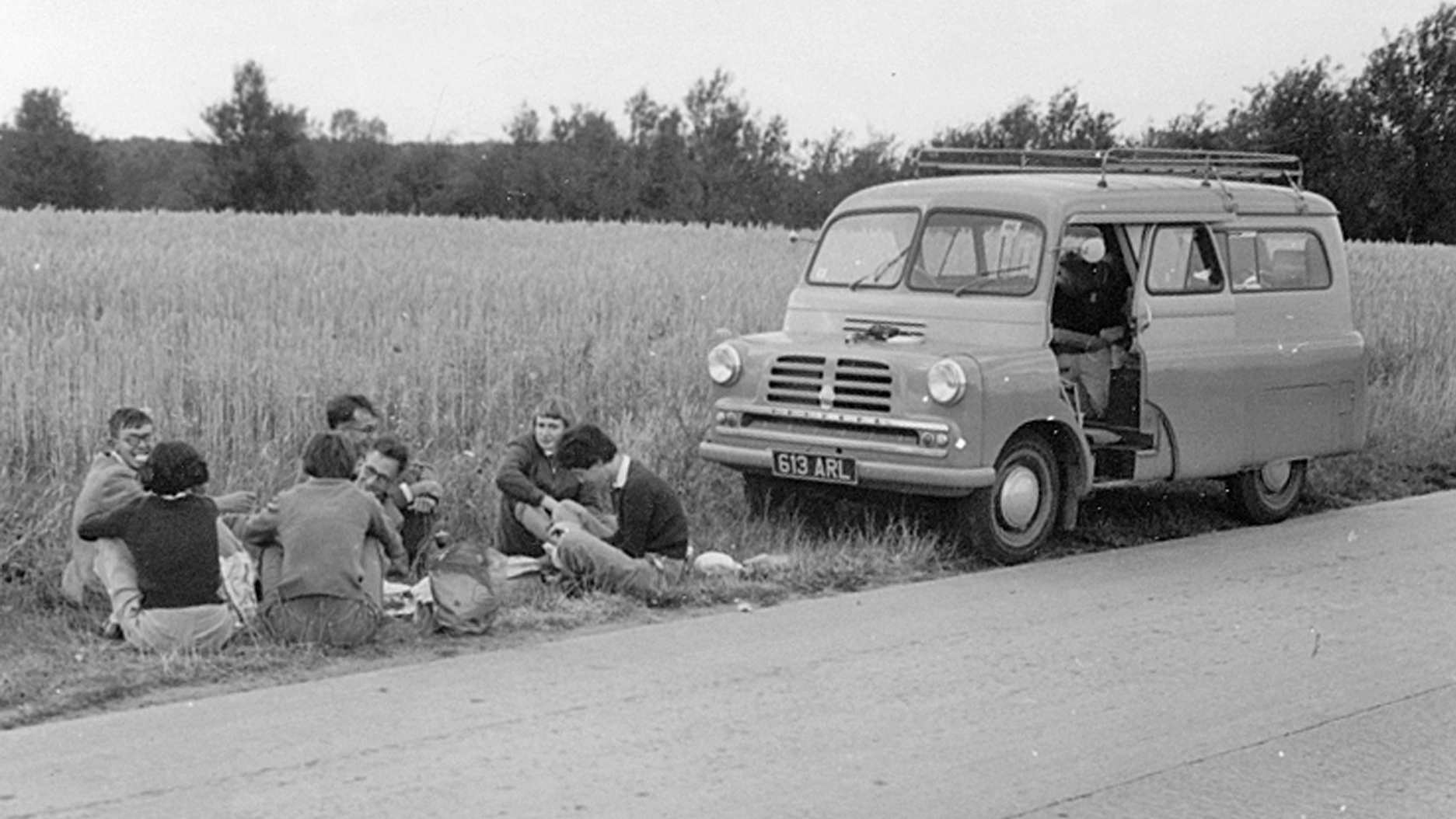 And the fourth was Richard Linington who sadly died when he was still in his late 30s. Richard was in many ways my best friend but also my greatest enemy. We rather fell out over the planning of our trip. I wanted to drive down straight to Greece, not stopping on the way, but Richard persuaded the others, quite rightly in retrospect, that we should go down the coast of Yugoslavia stopping in at Dubrovnik and Split before coming down through central Greece. Richard was also a scientist and specialist in the new fangled magnetometry and electrical resistivity servers which were being pioneered at Oxford by Martin Aitkin and Teddy Hall who eventually made a fortune out of them by selling them to oil companies, who used them for finding oil rather than ditches. But Richard and I were basically very good friends and we had many long discussions together. I learnt from him the use of guide books in archaeology. I had never thought of buying a guide book to go to Greece but he had brought along guidebooks to both Greece and Yugoslavia.
And then there were the girls. There was Julia, from St Hugh’s, who was quiet but enthusiastic. There was Fiona Greig, who was always great fun. There was Suzie was always very good company, and finally there was Susan who only came in at the last minute as we were one girl short and she said she would like to join us. She was the daughter of a parson and was a very good companion though sadly I have lost touch with her.
Our outward journey was via the coast of Yugoslavia. I remember first calling in at Pula where there is a magnificent amphitheatre and then to Split and the magnificent palace built by the Emperor Diocletian and then to the late medieval town of Dubrovnik. It was a somewhat hair-raising journey. It was said that the road along the coast had been built by Napoleon and had not been touched since, and though tedious, it was fun. After Dubrovnik I think we went to Albania, or did we go straight to Greece? But I always remember crossing the border from communist Albania to the free world of Greece: it was so much more colourful – the fruit stalls in particular. We had been buying fruit at fruit stalls on the way and suddenly we found stalls full of fruit and we could buy as much as we wanted — and we gorged ourselves.
 Eventually we made our way to Athens where we had difficulty in finding anywhere to camp – we had hitherto been camping out in the fields. Eventually a priest took pity on us and allowed to camp in the porch in front of his little church. I remember visiting Delphi and Olympia and Bassae, the source of the marvellous sculptures in the British Museum. I don’t think I have visited Delphi since, though we did Olympia in the trip in the early days of CA. But I do not remember Greece as vividly as I do Split and Dubrovnik.
I remember coming back up to the main motorway of Yugoslavia which was a dusty road not yet tarmaced, along which one could travel comparatively fast. But there was little traffic and I remember in one quiet stretch spotting another English camper van and we both stopped, got out and said hello, shook hands and then drove on. We eventually arrived back in Britain and sold the van to John Hurst who kept it for a number of years, and indeed ran it till it gave up the ghost.
To Turkey
I could perhaps add as an addendum a trip to Turkey I made a year after I left Oxford and had begun my accountancy. I had kept in touch with Suzie who had become a Secretary and was working for the British Embassy in Ankara where she had a car, a red Triumph if I remember, but the problem was that she could not really go far into the countryside as a lone unaccompanied woman. Would I like to come out to Turkey and be her escort for a fortnight? This sounded a splendid idea.
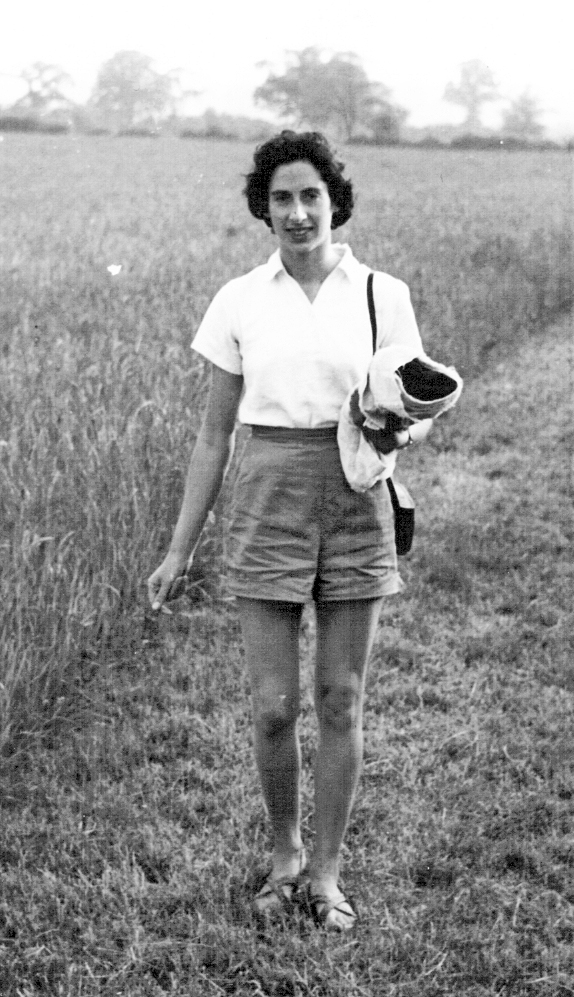 What I remember most is the trip out by train. The Orient Express no longer ran, but there was a sort of linked service from London to Istanbul. I remember changing trains in Cologne and then again in Munich. There were always through carriages but I learnt that the trick was always to abandon the old carriages and the rubbish and to move into new carriages. It took three days in all. I remember a wonderful trip down the Rhine and darning my socks which I had forgotten to do, but a German hausfrau sitting opposite me became very agitated because men should not darn socks and she insisted on taking over and darning my socks for me. I eventually arrived in Turkey where Suzie picked me up and we had a wonderful fortnight going round Turkey. It was all very proper – although we had been on kissing terms at Oxford, somehow it did not seem right even to hold hands when we were in a foreign country. I can’t remember any of the details except visiting Pamukkale where there were some wonderful thermal baths.
The only other episode I remember is coming home. Suzie was to drop me at the railway station at Ankara and I would take the overnight sleeper train to Istanbul. However we misread the timetable and when we arrived at the railway station we found that the train had already left half an hour before. We were in despair, but then we looked at the timetable, and found that Turkish trains go very slowly and the journey from Ankara to Istanbul, which should only take 4 hours, was stretched out to 12 hours, so the train went very slowly indeed. We jumped back into the car, drove furiously and managed to catch up with the train at the next station. At Istanbul, accommodation had been booked for me by the British Embassy at what turned out to be the special hotel used by the Embassy, hugely expensive but at a special rate for me. I think it was the grandest hotel I had ever stayed in, but after a brief visit to Istanbul, I set out on a three day journey back to London.
Oxford has many rewards to offer to those fortunate enough to be able to enjoy its rigours and its pleasures. It was a wonderfully fulfilling time for me and I like to think I was worthy of the good fortune that enabled me to go there.