
Beckermet
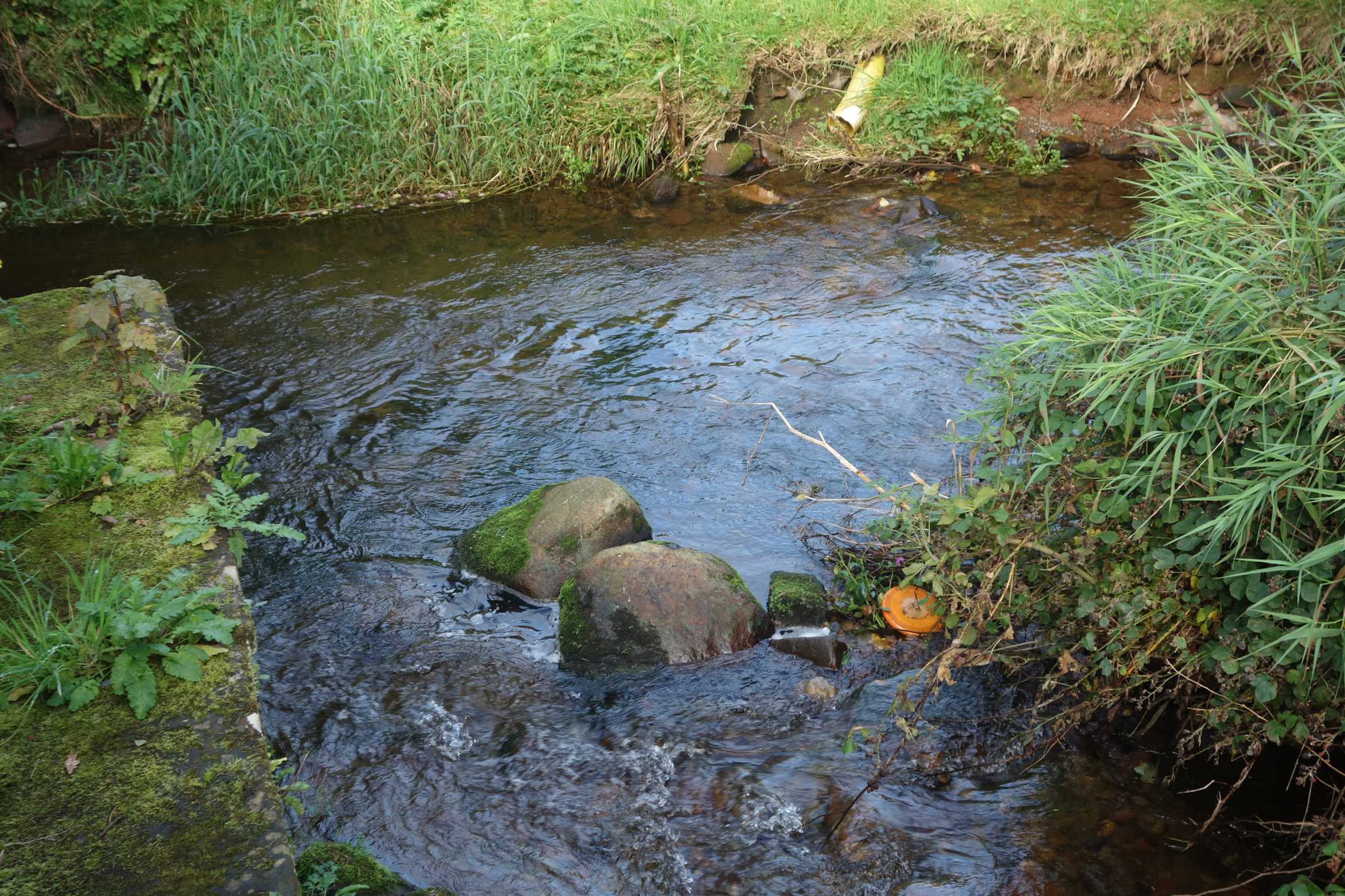
Beckermet lies on the west coast of Cumberland, half a dozen miles south of St Bees Head, and a couple of miles north of the atomic power station at Sellafield. The name Beckermet means the meeting place of the becks, two small streams called the Kirk Beck and the Black Beck, which meet by a bridge in the middle of the village.
 The main feature is St John’s church which was rebuilt in the 19th century (1878-9). But in the rebuilding a fine collection of carved stones, mostly of the Viking period, though a couple are later, were found, the remains of what was clearly a major church of the Viking period.
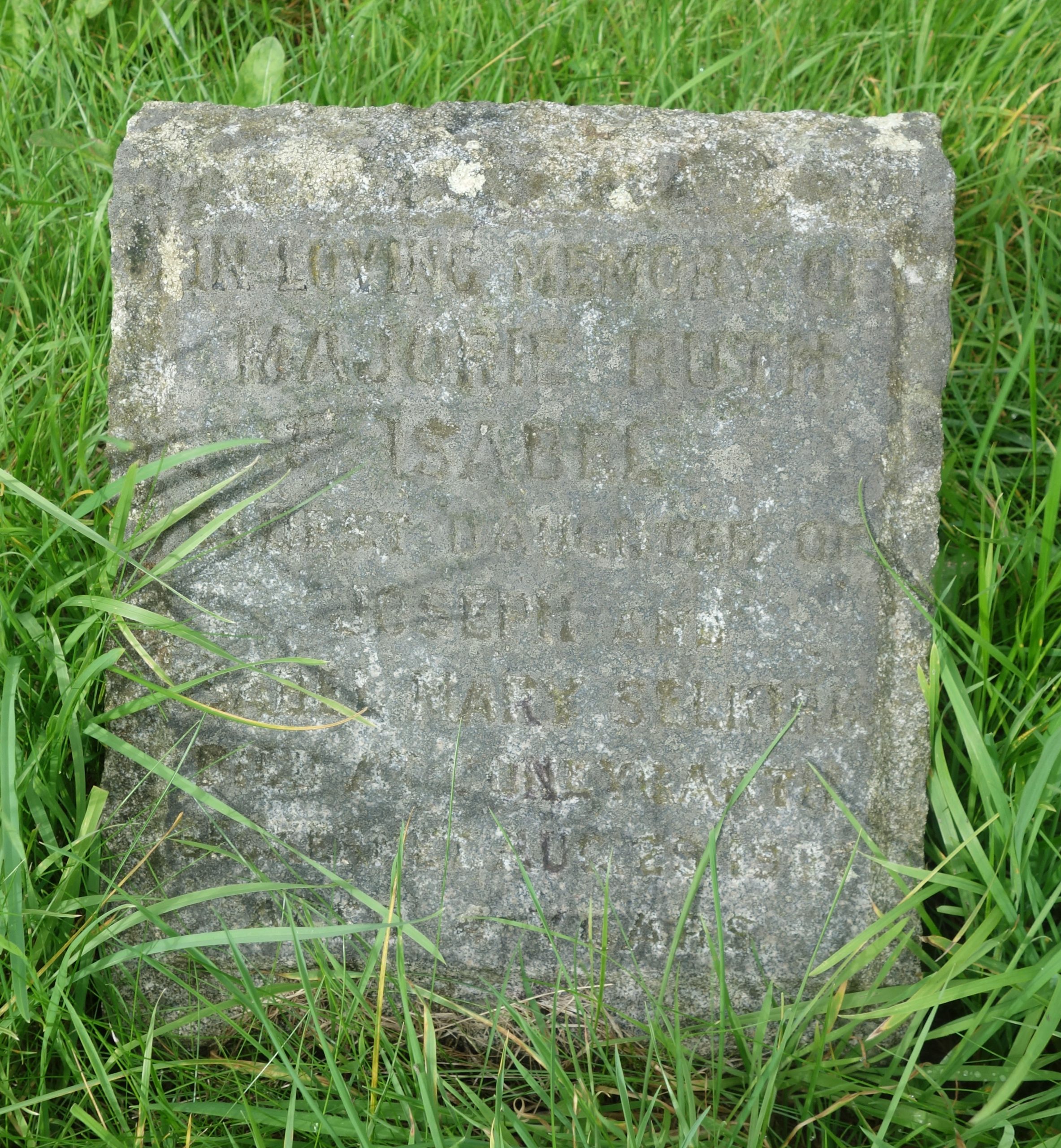
The tombstone of my Aunt Marjorie, who died in 1907, aged 4 years old.
Inside the church however there is a fine collection of Viking or Anglian carved stones, one of which is shown here. These were discovered when the old church was pulled down and the new church of St John was built in 1878/9. Unfortunately we weren’t able to get down to the low church of St Bridget and see the carved stones still in position in the churchyard.

Then we went up the road to find Coneygarth, the house which was the Selkirk family home. My father remembers it as being the home of Auntie Ruth, where he spent many happy holidays – Auntie Ruth managed to rescue the font from the old church and set it up just inside the churchyard with a small inscription recording her gift.

I had looked at Coneygarth on previous visits, which is everything that one would wish a family home to be, a perfectly preserved almost dolls house, with beautifully maintained lawns around it. looking like an ancestral home of which one could be proud. I had looked at it in previous years but had not dared to go in, but this year, plucking up my courage, I went and knocked on the door and said did they mind if I enter the garden to take some photos.

When I said I was a Selkirk, I was warmly welcomed it. The owner of the house, Nora Clegg a lady in her 90s, was an avid local historian and had managed to acquire the deeds of the house going back to the 18th century, forming a veritable family history.

One of her sons, Phil Clegg, was there, looking after his mother, and he subsequently photographed them all for me, so I now have on my computer and then I was in France I began to transcribe them, discovering the adventures of Robert Selkirk, the goodie, and Isaac Selkirk, the baddie, from whom we are all descended.
Braystones
We eventually said farewell to the Cleggs, and made our way down to Braystones on the coast. This is where we spent many holidays in my youth playing on the wonderful sands, damning up the streams. There is simply a row of cottages backing on to the railway – no mains electricity, no water and no plumbing.

The best photo shown here is the view from the railway station looking north which shows the best preserved bungalows. We however always took the sixth bungalow to the south, now alas no longer there.

But the sands looked wonderful, and I only wish we had been in a position to strip off and go for a swim.
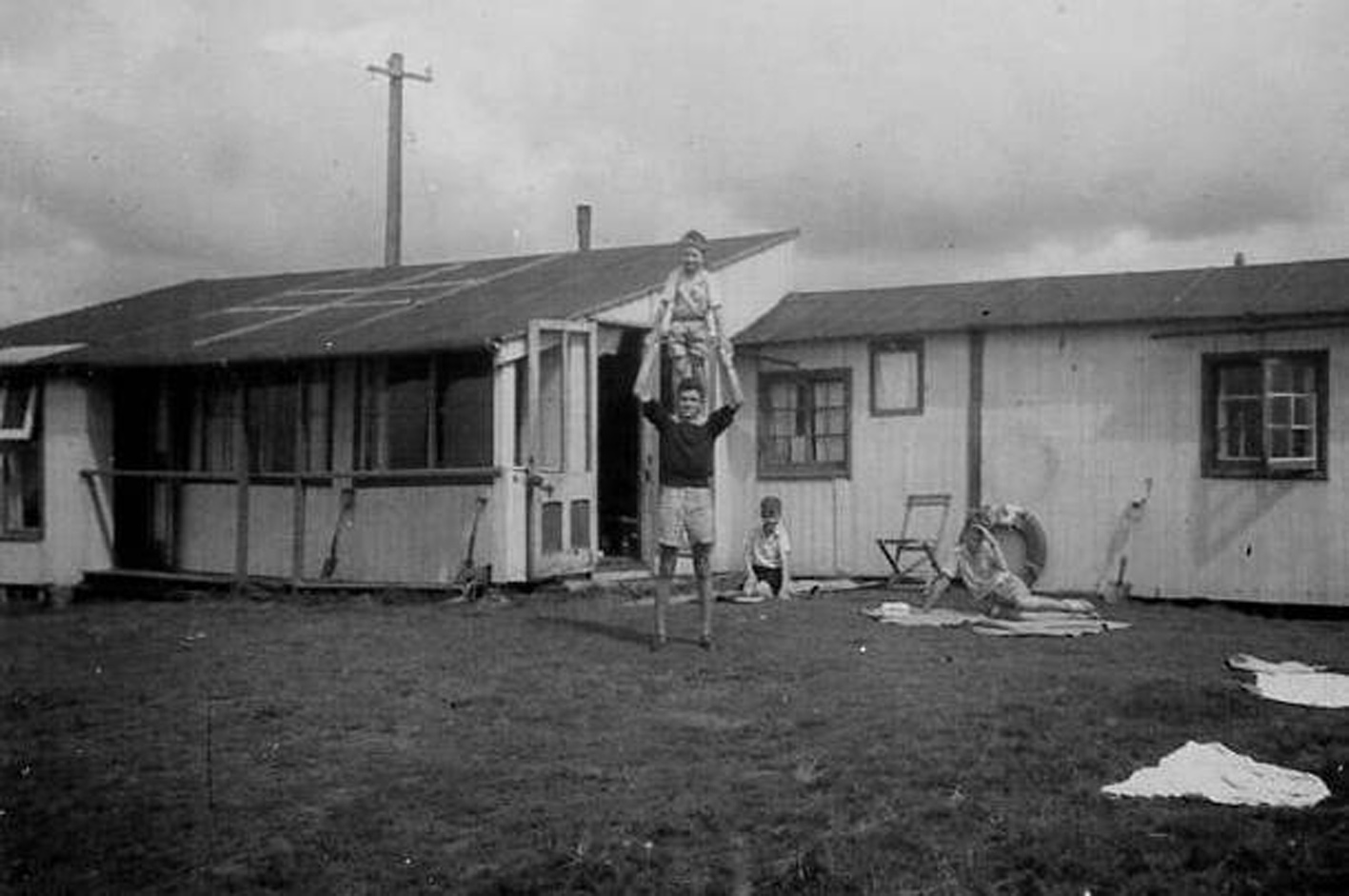
This is the bungalow where we stayed, with me posing outside with Stuart standing on my shoulders. It was here that the celebrated VJ day – Victory over |Japan and therefore the end of the war. We collected the driftwood from the beach and made a bonfire to celebrate.
It looks a bit ramshackle in this photo of Frank’s, but I remember it as being absolutely wonderful where we had a number of wonderful holidays. My Mother must have been a real hero to put up with it all.
On to the Viking carved stones of Beckermet